

What Is a 6-20 All-Lines Adjuster License in Florida?
What Does “6-20 All-Lines Adjuster” Mean?
If you’re interested in the claims side of insurance rather than sales, you’ve probably seen job ads asking for a “6-20 All-Lines Adjuster” license in Florida.
In plain English, a 6-20 All-Lines Adjuster is a licensed professional who investigates insurance claims, evaluates damage or loss, and helps decide how much the insurance company should pay under the policy. The “all-lines” part means you’re allowed to work on many different types of claims, not just one niche.
Unlike agents (who sell policies), adjusters focus on what happens after a loss – car accidents, hurricanes, water damage, liability claims, and more.
In this guide, we’ll cover what the 6-20 license allows you to do, typical jobs and income paths, where independent and staff adjusters fit in, and how to get started with pre-licensing.
What Can You Do With a 6-20 All-Lines Adjuster License?
With a Florida 6-20 All-Lines Adjuster license, you’re authorized to handle claims across multiple lines of insurance, such as:
- Property claims – Wind, hail, hurricane, fire, water damage to homes and commercial buildings.
- Auto claims – Collision, comprehensive losses, and sometimes liability investigations.
- Liability claims – Bodily injury and property damage claims under general liability or auto liability.
- Other P&C coverages – Where the insurer needs a licensed adjuster to evaluate the loss.
Your day-to-day work typically includes:
- Investigating losses – Talking to policyholders, witnesses, and sometimes contractors or experts.
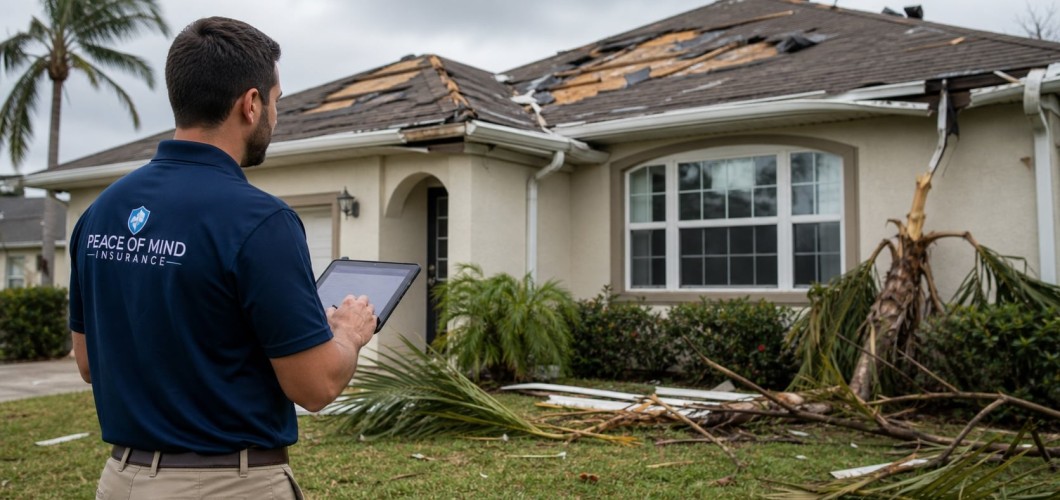
- Inspecting damage – On-site or virtually, using photos, video, or inspection tools.
- Reviewing policies – Confirming coverage, limits, deductibles, and exclusions.
- Estimating the cost of repairs or replacement – Using estimating software or contractor input.
- Recommending payment amounts – Documenting your findings so the insurer can pay the claim correctly.
- Communicating with policyholders – Explaining coverage decisions, next steps, and timelines.
If you like solving puzzles, working with real-world damage scenarios, and helping people get back on their feet after a loss, the 6-20 license fits that kind of work.
Staff Adjuster vs Independent Adjuster
One of the most important decisions you’ll make as a 6-20 adjuster is whether to work as a staff adjuster or an independent adjuster.
Staff (company) adjuster
A staff adjuster works directly for an insurance company as an employee.
Typical features:
- Regular salary with benefits (health insurance, PTO, retirement plans, etc.).
- Company training, supervision, and systems.
- Assigned territories or claim types.
- More predictable schedule than catastrophe-only work.
Staff roles can be a great way to get stable, long-term experience.
Independent adjuster
An independent adjuster is usually contracted by independent adjusting firms that provide services to various insurance carriers.
Typical features:
- Income is often fee-based or daily-rate, with potential for higher earnings during busy seasons.
- Work can be more seasonal and travel-heavy, especially for catastrophe (CAT) deployments.
- You may work multiple events (e.g., hurricanes, hail storms) for different carriers throughout the year.
If you like the idea of travel, field work, and surge income during storm seasons, the independent path can be appealing once you’re licensed and trained.
Why Choose the 6-20 License vs Other Florida Licenses?
The 6-20 is different from agent licenses like the 2-20 or 20-44 because it’s focused on claims adjusting, not sales.
Choose a 6-20 if:
- You like investigation and problem-solving more than selling.
- You’re comfortable with field work, documentation, and sometimes difficult conversations.
- You want to build a career in claims, catastrophe adjusting, or property/auto inspection.
- You’re interested in working with multiple carriers (as an independent adjuster) or growing within a carrier’s claims department (as a staff adjuster).
If your goal is to sell policies and build a client list, an agent license like 2-20 or 2-15 is a better fit. If you’re more drawn to the “after the loss” side, the 6-20 is the right track.
Typical Jobs and Career Paths for 6-20 Adjusters
With a 6-20 license, you can pursue roles such as:
- Field Property Adjuster (staff or independent)
- Inside/Desk Adjuster handling claims remotely
- Catastrophe (CAT) Adjuster deployed to storm-hit areas
- Auto Physical Damage Adjuster
- General Liability Adjuster (with experience)
Common career paths include:
- Entry-level trainee → field/desk adjuster → senior adjuster → team lead or supervisor.
- Rookie CAT adjuster → experienced storm adjuster → high-earning CAT specialist or trainer.
- Staff adjuster → independent adjuster or claims consultant, once you have experience and a strong reputation.
Because claims are a core function of every P&C insurer, experienced adjusters are often in steady demand, especially in a catastrophe-prone state like Florida.
Income Potential for 6-20 Adjusters
Income varies widely depending on whether you work staff vs independent, your experience, and how intense your deployment seasons are.
In general:
- Staff adjusters earn a consistent salary with benefits; income growth comes from promotions and performance-based raises.
- Independent and CAT adjusters may earn significant income in short periods during major events but have more variability throughout the year.
Your 6-20 license doesn’t guarantee a specific income level, but it does give you the legal credential you need to be considered for these roles and to grow into higher-responsibility, higher-paying positions over time.
How to Get a 6-20 All-Lines Adjuster License in Florida
The exact steps are set by the Florida Department of Financial Services and can change, but the general path looks like this:
-
Confirm eligibility
Make sure you meet basic state requirements (age, background, etc.). -
Complete an approved 6-20 pre-licensing course or designation (if available)
A quality online course will walk you through:- Property and liability fundamentals.
- Policy forms and coverage parts.
- Claims handling practices.
- Florida-specific statutes and regulations.
- Ethical standards for adjusters.
-
Prepare for and pass the state exam (if required)
Depending on the path you choose (straight pre-licensing vs. certain designation programs), your exam path may differ.
Your course should spell out exactly what’s required and give you practice questions that feel like the real test. -
Apply for your license and complete background steps
Once you’ve met the education and exam requirements, you’ll apply with the Florida DFS and complete any fingerprinting or background checks. -
Start gaining experience
Entry-level or trainee roles, ride-alongs, or mentoring under experienced adjusters can help you turn your new license into a real career.
Why Training Quality Matters for Adjusters
Claims adjusting isn’t just about passing an exam. To be successful and keep carriers (and policyholders) happy, you need:
- Strong coverage interpretation skills – understanding what’s covered and what isn’t.
- Solid estimating ability – learning common repair costs and how to use estimating software.
- Professional communication skills – explaining complex decisions in clear, respectful language.
- Ethical judgment – handling claims fairly and consistently with policy terms.
That’s why choosing a Florida-focused, adjuster-specific course is so important. The right training program will give you real-world examples, not just exam trivia, so you’re more confident when you start handling actual claims.
Final Thoughts: Is the 6-20 Adjuster License Right for You?
The 6-20 All-Lines Adjuster license is a strong choice if you:
- Are more interested in investigating losses than selling policies.
- Don’t mind field work, documentation, and sometimes stressful situations after major storms.
- Want the option to work as a staff adjuster, an independent adjuster, or a catastrophe specialist.
- Prefer a career where your work directly affects how quickly people recover from losses.
If that sounds like you, your next step is to confirm current Florida 6-20 requirements, choose a state-approved adjuster course or designation, and begin working through the material toward your license. With focused preparation and solid training, you can build a stable, in-demand career on the claims side of Florida’s insurance industry.