What Can a Florida 6-20 Adjuster Do? Jobs, Roles and How to Get Licensed
If you’re interested in insurance claims, the Florida 6-20 all-lines adjuster license is one of the most flexible and valuable licenses you can get. With this license, you can work as an independent adjuster, a company (staff) adjuster, or a public adjuster apprentice, handling everything from car accidents to storm damage. Here’s a clear breakdown of the jobs and roles available, how to get the 6-20 license, and why it’s a great choice for your career.
What Is a Florida 6-20 All-Lines Adjuster License?
A Florida 6-20 all-lines adjuster license lets you investigate, value, and help settle insurance claims across many types of coverage, including auto, property, liability, and workers’ comp. It’s the standard “all-lines” adjuster license in Florida and is required for anyone who wants to adjust claims on behalf of an insurance company or as a public adjuster apprentice.
The Three Main 6-20 Adjuster Roles
With a 6-20 license, you can work in three main types of jobs. Each role has a slightly different focus, but all involve handling claims under Florida law.
1. Independent Adjuster
In this role, you’re not a direct employee of an insurance company. Instead, you might be self-employed or work for an independent adjusting firm that contracts with insurers.
You look into claims, decide how much the insurance company should pay, and help settle the claim. You represent the insurer, not the policyholder, and you’re often paid per claim or on a contract basis.
2. Company (Staff) Adjuster
Here, you’re a regular employee of an insurance company (or its closely related company). You work on the insurer’s staff and handle claims for that company.
Like an independent adjuster, you investigate losses, figure out how much is covered, and work to settle the claim. You’re acting on behalf of the insurance company and usually follow the company’s specific guidelines and processes.
3. Public Adjuster Apprentice
As a 6-20 licensee, you can also work as a public adjuster apprentice with a licensed public adjusting firm. In this role, you help the public adjuster handle claims for policyholders (the people who bought the insurance).
You assist in figuring out the loss, documenting damage, and negotiating with the insurance company, but you do this under the supervision of a licensed public adjuster. This is a common path to later getting your own 3-20 public adjuster license.
What All 6-20 Adjusters Can Do
No matter which role you’re in, a Florida 6-20 all-lines adjuster license gives you the authority to:
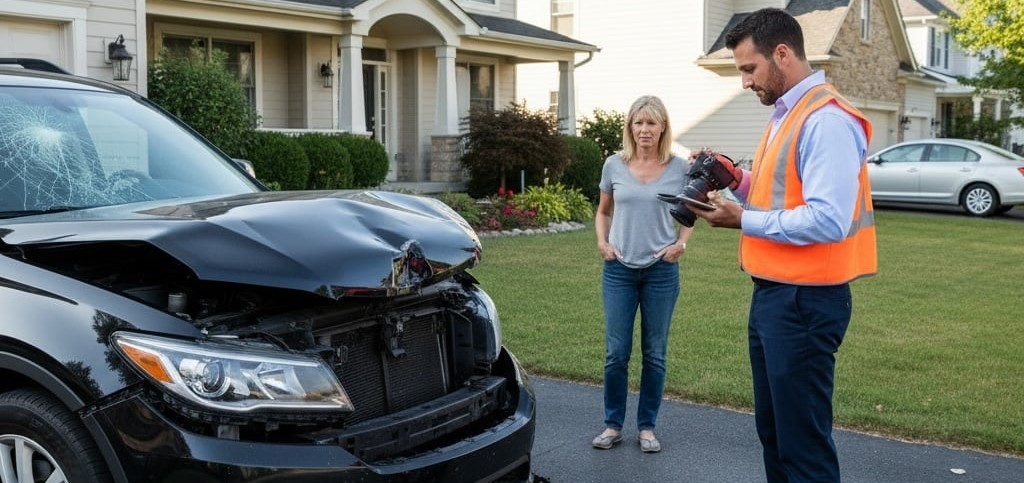
- Look into insurance claims (like storm damage, car accidents, or injuries).
- Determine how much of the loss is covered by the policy.
- Work to settle the claim, either for the insurance company or (as an apprentice) for the policyholder.
Bottom line: A Florida 6-20 all-lines adjuster license gives you the legal authority to investigate, value, and help settle insurance claims in three main ways: as an independent adjuster, as an insurance company employee, or as a public adjuster apprentice. Each role has slightly different responsibilities, but all involve handling claims under Florida law.
How to Get Your Florida 6-20 Adjuster License
Getting your 6-20 license is straightforward and can be done without taking a state exam if you complete an approved course:
- Meet the basic requirements: You must be at least 18 years old, have a valid U.S. Social Security number, and be able to pass a background check.
- Complete a 6-20 adjuster course: Take an approved Accredited Claims Adjuster Designation course (often 40 hours). These courses cover Florida insurance law, ethics, and claims handling.
- Apply for the license: Submit your application and fingerprints through the Florida Department of Financial Services. Once approved, you’ll be issued your 6-20 all-lines adjuster license.
Take our 6-20 Adjuster Designation course and skip taking a state exam.
Why Get a 6-20 Adjuster License?
The Florida 6-20 all-lines adjuster license is a smart move for several reasons:
- Multiple career paths: You can choose to work as an independent adjuster, a company employee, or a public adjuster apprentice, giving you flexibility in how and where you work.
- Strong demand: Insurance companies and adjusting firms always need qualified adjusters, especially after storms and major events, so there are plenty of job opportunities.
- Good income potential: Independent adjusters often earn per claim, and experienced staff adjusters can move into higher-paying roles. Public adjuster apprentices can eventually become licensed public adjusters with their own clients.
- Great starting point: The 6-20 license is often recommended as a starting point for people who want to work in claims, because it opens doors to many different roles in the insurance industry.
More on Public Adjuster Apprenticeships
You do not have to wait any set amount of time after receiving your 6-20 license before you can start as a public adjuster apprentice, as long as you meet the appointment and bond requirements. In other words, once you hold a valid all-lines (6-20) adjuster license and secure a $50,000 bond, you can be appointed as a 31-20 public adjuster apprentice right away by a qualifying public adjusting firm, if one is willing to take you on.
Florida law says a person may not act as a public adjuster apprentice unless they are already licensed as an all-lines adjuster and currently appointed by a licensed public adjusting firm that has designated a primary adjuster. The statute focuses on holding the all-lines license, the bond, and the proper appointment, rather than requiring a specific number of months of prior work experience before beginning the apprenticeship.
People Also Ask
What is a Florida 6-20 all-lines adjuster license?
A Florida 6-20 all-lines adjuster license allows a person to investigate, evaluate, and help settle insurance claims across many types of insurance (like auto, property, and liability) in Florida. It is the standard all-lines adjuster license for claims professionals in the state.
What roles can a 6-20 adjuster work in?
A 6-20 adjuster can typically work as an independent adjuster, a company (staff) adjuster employed directly by an insurance company, or as a public adjuster apprentice under a licensed public adjusting firm. Each role involves handling claims on behalf of insurers or policyholders.
What does an independent 6-20 adjuster do?
An independent 6-20 adjuster usually works for an adjusting firm or as a contractor and represents insurance companies. They inspect losses, review policies, estimate damages, and help determine how much the insurer should pay on a claim.
What does a company (staff) 6-20 adjuster do?
A company, or staff, 6-20 adjuster is employed directly by an insurance company. They handle claims for that company, including contacting policyholders, inspecting damage, confirming coverage, and negotiating settlements according to company guidelines.
Can a 6-20 adjuster work as a public adjuster?
A 6-20 adjuster cannot act as a full public adjuster, but the license can be used to work as a public adjuster apprentice with a licensed public adjusting firm. This apprenticeship experience can help meet requirements to apply for a 3-20 public adjuster license later.
What types of claims can a 6-20 adjuster handle?
Because it is an all-lines license, a 6-20 adjuster can handle many types of claims, such as car accidents, storm and property damage, liability claims, and other covered losses, depending on the insurer and the lines of insurance involved.
Who does a 6-20 adjuster represent?
When working as an independent or company adjuster, a 6-20 licensee represents the insurance company. When working as a public adjuster apprentice, the 6-20 licensee assists a supervising public adjuster, who represents policyholders.
Is a Florida 6-20 adjuster license good for beginners?
Yes. The Florida 6-20 all-lines adjuster license is often recommended as a starting point for people who want to work in claims, because it opens multiple career paths, including independent adjusting, staff adjusting, and eventually public adjusting.